Population: City Centre – 635,130 (2021) | Greater Glasgow – 1,708,147 (2024) | Area: 175 square km
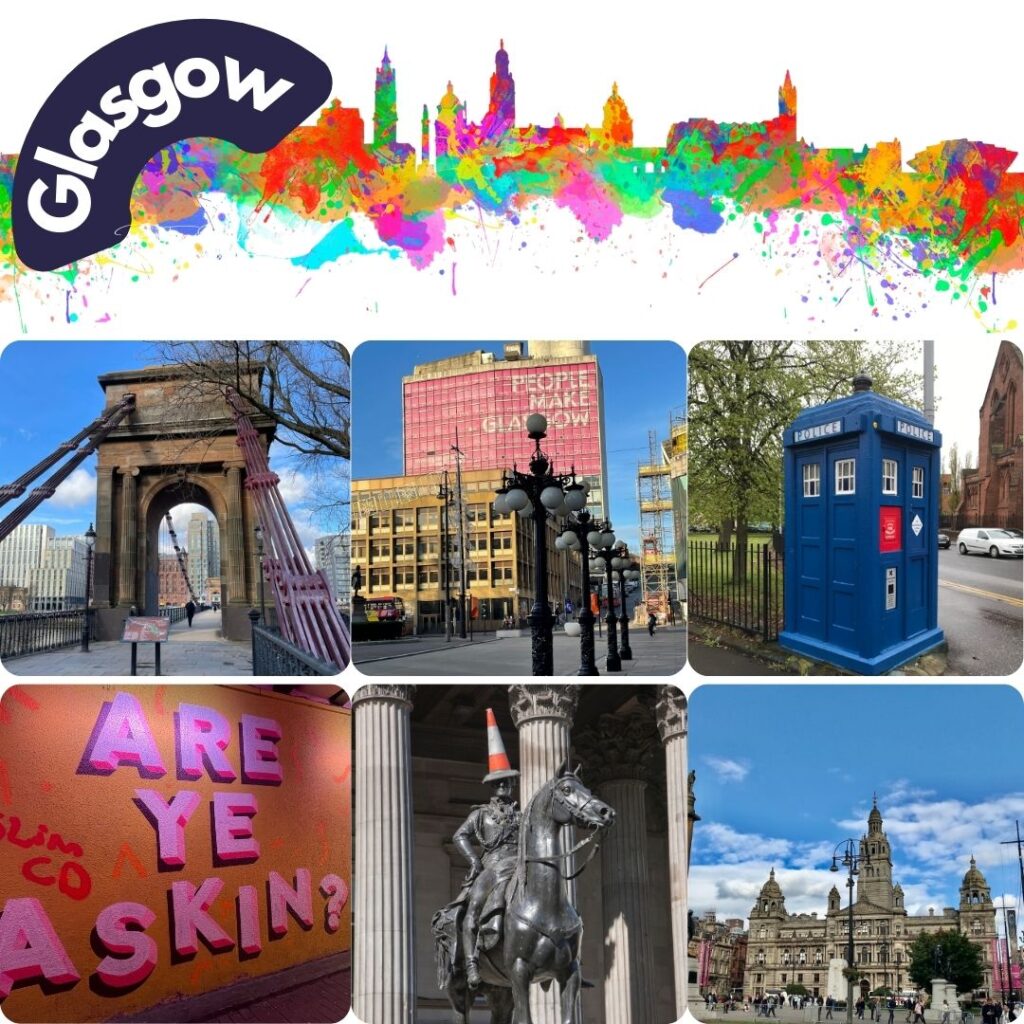
Let me tell you a little bit about Glasgow, Scotland’s oldest and largest City and former 2nd City of the (Victorian) Empire. In order to appreciate Glasgow, even if you have limited time to really explore it, you need to know a little bit about how it came to be and how it developed over the centuries.
From the early beginnings, Glasgow has managed to place its mark firmly on the map. Located on the banks of the river Clyde, it is very likely that small settlements were established there during prehistoric times. This is evident due to archaeological artefacts found and which were carbon dated to the Stone Age.
The Roman Empire built a defence wall in the area that was to become Glasgow during the 1st century AD. This wall stretched from West to East and was an attempt to control the northern tribes of the country. Their efforts, however, were very tiresome and in the end unsuccessful. Eventually, the Romans moved their forces south to Hadrian’s Wall.
ANCIENT KINGDOMS
Ancient Brittonic Kingdoms reigned for several centuries thereafter in the area. Eventually, a monk called Kentigern was led through circumstances to this area known then as “Crathures” and established a Christian outpost and church at the Molendinar burn, now channelled underground, near Glasgow Cathedral.
AN ECCLESIASTICAL POWER HOUSE
This was the beginning for Crathures or “glas-shu” (meaning green hollow) to establish itself fully over the preceding centuries as an ecclesiastical centre. Since it was situated several miles inland from the Clyde estuary, Norse raiders (Vikings) struggled to access it fully.
MEDIEVAL GLASGOW
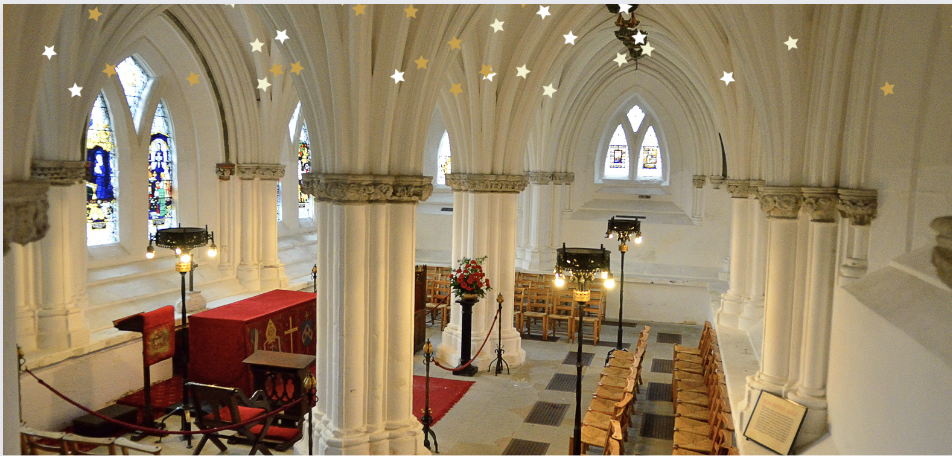
Kentigern was sanctified and loved by his followers. He was named Mungo – the beloved and he is still the patron saint of Glasgow. After his death, the church became a place of pilgrimage. The clergy recognised the importance of St. Mungo and after the construction of the first Glasgow Cathedral began in 1124, it was consecrated in the presence of King David I in 1136.
During the Medieval period Glasgow received burgh status, which meant it could hold regular markets, supporting the trading spirit of the local people. The city began to spread and take shape all around the Cathedral area. A main road was established leading from the Cathedral to the river Clyde and had one cross road creating the first city centre. A second more important centre developed shortly after nearer the river and is now known as the Saltmarket area.
SECOND CITY OF THE EMPIRE
Moving forward into the industrial period of the 19th century, Glasgow became known as the Second City of the Empire. The population shot up tremendously, due to the need of labourers. People immigrated from different countries, such as Ireland, Italy, Eastern Europe and parts of the Scottish Highland.
Every industry imaginable was required, from soap and candle making, to glass and textiles, furniture designs, distilleries, breweries and more. The cotton and tobacco trade contributed significantly to the wealth of the city. When the focus shifted from commerce to engineering and the iron founding industry, Glasgow’s shipbuilding shipyards were the birthplace of about one fifth of the global tonnage of ships and locomotives.
Glasgow was and still is THE place to be. It was seen as the leader of cultural development. Today’s visitors are pleasantly surprised about what they find in and around the city.
Comments from some of my clients included:
“A remarkable gem of a city. I never thought, it would be so beautiful.”
“I love the cultural aspects of the city, the many parks, museums & art galleries and not to forget the exclusive shopping facilities. I definitely need to come back for more.”

There is so much on offer in Glasgow. Known as the UNESCO CITY of Music, as well as the Cultural and Creative Capital of the UK, you can be sure to have a fabulous time exploring the City. Whether you come alone on a business trip, enjoying a romantic City break or stopping over with the family. Glasgow will not disappoint.
FAMILY FUN
Coming to Glasgow with the kids is great. There are plenty of activities to do in the City Centre as well as in the West End of Glasgow and a little further afield. Transport facilities are also available, with a ride on the Clockwork Orange Glasgow Subway system, being the third-oldest underground metro system in the world, not to be missed. Or the Hop-on Hop-off sightseeing bus.
You can take the kids on a stroll around the beautiful Merchant city area following Glasgow’s Mural Trail and turn it into a game, by asking them to look out for the next colourful mural they see. Then get them to tell you what they like best about it, take a picture and move on.
ROMANTIC GETAWAY
Glasgow sets the perfect stage for a memorable romantic getaway. Enjoy a leisurely stroll through the picturesque Glasgow Botanic Gardens, where lush greenery and vibrant blooms create an idyllic setting for a romantic picnic or simply basking in each other’s company. For a touch of old-world charm, indulge in a candlelit dinner at one of Glasgow’s intimate fine dining restaurants, such as the elegant One Devonshire Gardens or Miller & Carter Steakhouse in the City Centre, where exquisite cuisine and impeccable service elevate the dining experience to new heights.
As night falls, immerse yourselves in the mesmerizing melodies of live jazz at the renowned Blue Arrow Jazz Club, sipping on expertly crafted cocktails and reveling in the magic of the moment. Finally, retreat to a cozy boutique hotel of which there are many to choose from. In Glasgow, every moment is an opportunity to create cherished memories with your loved one amidst the city’s enchanting surroundings.
SOLO BUSINESS TRAVELLERS
For solo business travelers with a few hours to spare in Glasgow, the city offers a wealth of opportunities to make the most of their time. Start by immersing yourself in Glasgow’s rich cultural scene with a visit to the Kelvingrove Art Gallery and Museum, where you can admire stunning artworks and exhibitions spanning diverse genres and eras.
Afterwards, take a leisurely stroll along the River Clyde, soaking in the scenic views and vibrant atmosphere of this iconic waterway. For those with a penchant for history, a visit to Glasgow Cathedral and the nearby Necropolis provides a fascinating glimpse into the city’s medieval past. Finally, indulge in some retail therapy at Buchanan Street, Glasgow’s premier shopping district, where you can browse through an array of boutiques, designer stores, and charming cafes before heading to the airport or train station.
In Glasgow, even a short visit promises to be filled with unforgettable experiences and moments of discovery.
If you would like to find out more information and receive day trip tour ideas from Glasgow, I have an e-book download entitled “Navigate through Glasgow” which you can find HERE.
I also conduct bespoke walking tours in Glasgow. If this is something of interest to you, please DM me using the contact form below and we can check for availability.